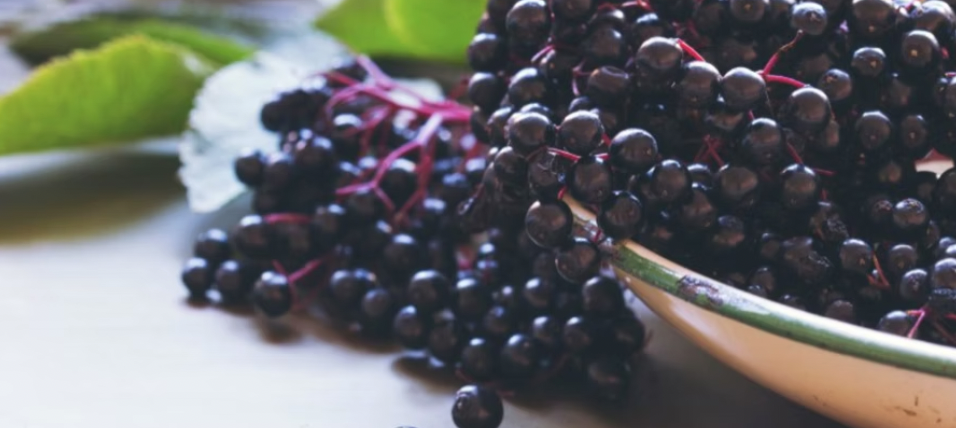
Every fall, I see the same pattern in my practice: as the weather turns, colds and flu start moving through Kelowna, and patients start asking what they can be doing to support their immune system naturally. One of my go-to recommendations, especially heading into cold and flu season, is Elderberry (Sambucus Nigra).
Known for its healing properties, this dark berry grows wild across North America, Asia and Europe, and has been used medicinally for centuries, dating back to ancient Egyptian and Greek times. It's high in vitamin C, vitamin A, vitamin B6, iron and potassium.
Here's why I still recommend it today:
Preventing Cold and Flu
This berry is high in anthocyanins. These pigments are responsible for the dark blue-black color, and prevent viruses from reproducing and infecting new cells. They also kill bacteria that cause chest and respiratory infections. Elderberry supports your immune system, making it more efficient and fast acting when dealing with foreign viruses, and can reduce cold and flu symptoms by up to 3-4 days.
Lowering Blood Sugar
Both the elderflower and the berry have traditionally been used to support healthy blood sugar. Research has confirmed that extracts of elderflower stimulate glucose metabolism and the secretion of insulin, lowering blood sugar levels. Basically the berry helps bring sugar into cells and out of the blood stream.
Natural Diuretic
This berry helps elimination by promoting urination and bowel movements. It also helps you detox and release fluids if you are swelling, constipated or have edema.
Encourages Healthy Skin
Elderberry is rich in antioxidants and high in vitamin A, which is good for healthy skin. The antioxidant anthocyanin also has anti-inflammatory effects, that will help with rosacea and acne. Research has found this antioxidant may improve the skin's structure and condition as well.
Ease Allergies
Elderberry's flowers can support the immune system, calm inflammation, and can provide relief for allergies. It is one of the most potent herbs used for treating hay fever-like symptoms. It can be used for allergies on its own or in combination with other herbs. Elderflower is also said to support liver detoxification, which plays a big role in how the body handles allergens.
How to Use Elderberry
Elderberry can be purchased in many forms at your local health store or online. Ten ways to use Elderberry are:
- Tea
- Jelly and jams
- Syrup
- Ointments
- Sprays
- Lozenges
- Pills
- Liquid
- Powder
- Capsules
When it comes to colds, flu and upper respiratory issues, elderberry syrup is a favourite in my practice, and kids love it because it's naturally sweet. Elderberry tea is another great option. You can either buy teabags or purchase dried berries or flowers and make a tea by combining 1 tablespoon of berries or flowers with 8 ounces of water. Generally it's safe for both children and adults.
Note: you should not consume raw berries or other parts of the plant since they contain a cyanide-inducing chemical. Eating uncooked berries can result in diarrhea and vomiting. Also use caution with autoimmunity, or if you are on any medications, specifically heart medications, diuretics or immunosuppressants.
Frequently Asked Questions
Does elderberry actually help with colds and the flu?
Elderberry is high in anthocyanins, antioxidant pigments that help prevent viruses from reproducing and infecting new cells, and support the immune system's response to foreign viruses. Some research suggests it can shorten cold and flu symptoms by 3-4 days.
What is the best way to take elderberry?
Elderberry syrup and tea are the most popular forms, especially for cold and flu season, but it's also available as capsules, lozenges, powders, and ointments.
Is elderberry safe for children?
Elderberry syrup and tea are generally considered safe for both children and adults when prepared properly. Raw, uncooked berries should never be consumed, as they contain a cyanide-inducing compound.
Who should avoid elderberry?
Use caution with elderberry if you have an autoimmune condition or are taking heart medications, diuretics, or immunosuppressants, since it can interact with these. Speak with your naturopathic doctor before starting.
As always, if you're navigating recurring colds, seasonal allergies, or an immune system that feels like it's always playing catch up, that's usually a sign there's a bigger picture worth looking at together.